





What to Bring from Bali as a Gift: Top 5 Natural Cosmetics
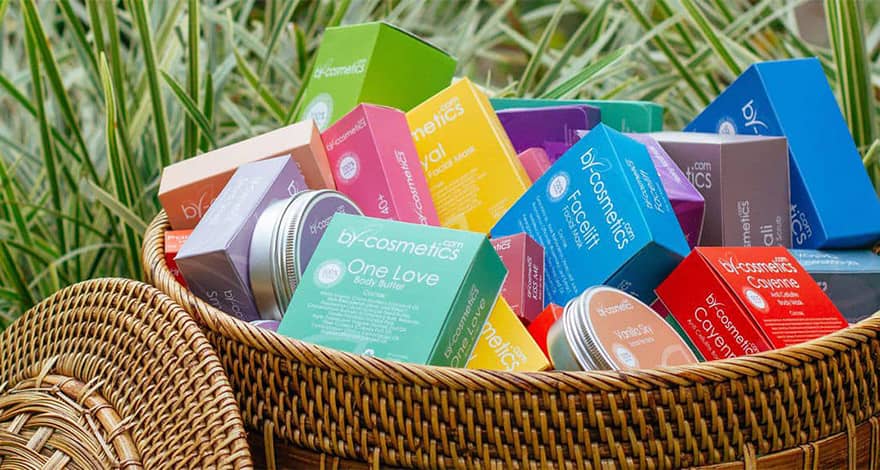
Bali souvenirs often end up as magnets and batik. Here are five natural cosmetics that travel well, why fresh by-cosmetics formulas work as a gift, and how to get them home without leaks.
Jojoba: liquid gold
Jojoba oil softens skin and hair, helps hold moisture, and suits many skin types. Despite the name, it is not a typical plant oil but a liquid wax close to skin lipids. We look at its composition, how golden cold-pressed jojoba differs from refined oil, and how to use it at home.

Miracle from a test tube
Most mass-market cosmetics are built from synthetics: silicones, polymers, and film-formers that give a fast wow effect. Why people still believe in a miracle from a test tube, how advertising works, and how living skincare differs from an optical illusion.

Silicones are everywhere!
Silicones give creams and shampoos smoothness and cheap texture, but they stay as a film on skin, hair, and in water. How to spot them on the INCI list, why they are not the same as care, and why we leave them out of by-cosmetics formulas.

The cure for all diseases!
Clove is the dried bud of Syzygium from the Moluccas, distilled into a spicy essential oil rich in eugenol. The history of the spice, how the oil is made, its composition, and how it is used in care and aromatherapy.

Neem: elixir of life
Neem has long been called the village pharmacy of the East: seed oil is used for skin, hair, and to help with inflammation. The story of the tree, how cold-pressed oil is made, and why it belongs in natural skincare.

Essential Oils. Part 2
Part two is about how essential oils are made: steam distillation, cold pressing of citrus, enfleurage, maceration, and solvent extraction. Which method fits which plant, how an absolute differs from a pure oil, and how to choose quality.

Essential Oils. Part 1
Essential oils are the volatile soul of plants, not fatty carrier oils like olive or jojoba. How they differ chemically, how scent affects mood, and why they matter in skincare.

The Poison
Botox is a brand name for botulinum toxin, a neuroparalytic poison used to temporarily switch off facial muscles. How the procedure works, what it risks for skin and the jawline, and why we choose natural regeneration over injections.

The skin we live in. Part 3
Part three of the series looks at mesotherapy and plasma lifting: microinjections of hyaluronic acid, vitamins, and cocktails into the dermis. What salons promise, which studies are missing, and what a needle through the skin can cost.

The skin we live in. Part 2
Part two is about skin structure: epidermis, dermis, subcutaneous fat, and facial muscles. Which layer cosmetics actually reach, why collagen and hyaluronic acid matter, and how facial gymnastics holds the oval without injections.

The skin we live in. Part 1
Part one of the series treats skin as an organ, not a playground for salon innovations. What it does, why its condition is tied to the whole body, and why that matters before a cream, injection, or peel.

Petroleum products - Glycol
Glycols are petrochemical diols found in creams, shampoos, deodorants, and even wet wipes. What they are, why they are added to cosmetics, and what the skin pays for them.

The most beautiful and tasty… orchid
Vanilla is the only fruiting orchid: a vine that is still pollinated by hand. Where it comes from, how pods become aroma, and why extract and seed powder go into Vanilla Sky scrub.

Cocoa: food for the gods
Cocoa is Theobroma, food of the gods: from Maya and Aztec ritual to butter in body butters. The story of the beans, how they help skin, and why we use fresh Indonesian cocoa for by-cosmetics.

A place in the Sun
The sun gives life and ultraviolet light that both heals and burns. Types of UV, why skin needs melanin and vitamin D, how physical filters differ from chemical ones, and how to tan without a burn.

"Crème brûlée" for your skin
Body butter is a thick water-in-oil emulsion based on natural butters such as shea and cocoa, not a regular cream. How it differs from cream, why it can skip synthetic preservatives, and who needs it.

Scrubs: from antiquity to the present day
A scrub lifts dead cells, dirt, and sebum so skin can breathe again. Types of bases and abrasives, why natural particles beat plastic, how to choose by skin type, and how not to damage the barrier.