



all articles
Many customers ask: why does the by-cosmetics range not include standard face and body creams? What does "body butter" mean on our jars? How does a body butter differ from a cream, and what is best to choose for dry skin?.
In this article, we will simply and clearly explain what natural body butter is — a thick, nourishing product for deep skin hydration and nourishment.
Body butter is a thick, buttery emulsion based on natural oils and butters (such as shea, cocoa). It melts on warm skin like butter and creates a protective film that locks in moisture.
Unlike conventional creams, body butters feature a "water-in-oil" formula. Water droplets are completely surrounded by oils, making it possible to do without synthetic preservatives — bacteria simply cannot multiply. The skin receives deep nourishment, moisture is sealed inside, while the surface remains soft and protected.
- Benefits of natural body butter:
- 100% natural composition without preservatives — made possible by the "water-in-oil" formula.
- Deeply moisturizes dry and very dry skin.
- Nourishes with natural oils and extracts.
- Creates a barrier against moisture loss.
- Suitable for daily use, especially in winter.
However, if you try to make an emulsion yourself, water and oil alone will not be enough. Try it yourself — you can take pure water and any oily liquid, such as coconut oil, but no matter how much you mix them, you will not achieve any "suspended state". Another component is needed: an emulsifier. Emulsifiers are special substances that have the property of reducing surface tension at the outer boundary of all liquids making up the phases, thereby holding them together and allowing substances to mix.
Thus, milk, butter, and cosmetic cream are all examples of emulsions. The difference between them is determined by the composition and ratio of liquid phases, the quantity and chemical nature of the emulsifier, and the emulsification method. Modern industry offers a wide variety of different emulsions: let's look at this issue in more detail using today's "hero", the body butter, as an example.
The consistency and degree of "airiness" of cosmetic emulsions depend primarily on the quantitative ratio of water and oils in the composition. Since we have two liquids, one of them must form the external, or dispersion, base — meaning it remains on the outside — while the other thus becomes the dispersed medium and goes inside. According to this criterion, emulsions are divided into direct and reverse.
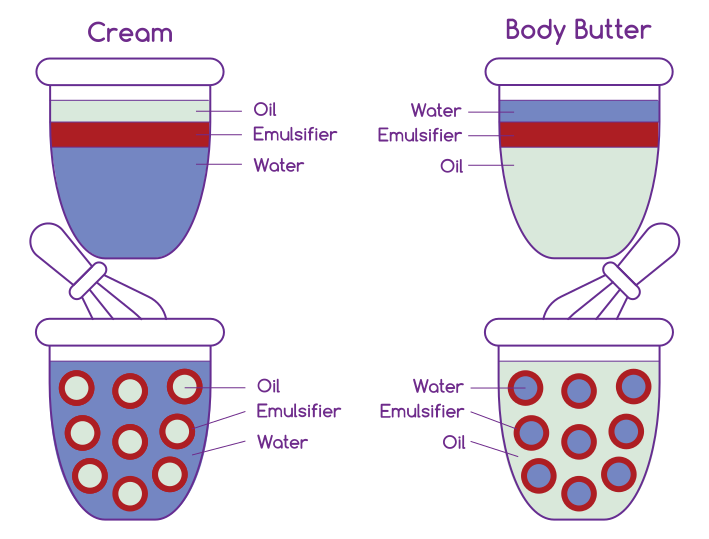
Body butters prepared on the "water-in-oil" principle have a number of undeniable advantages. First, the very formula of this product allows for the exclusion of preservatives, making the composition completely natural. As we remember, in reverse emulsions, every droplet of water is surrounded by oil on all sides. Thus, lipids "seal" the water, preventing it from coming into contact with air. This eliminates the possibility of bacteria appearing and multiplying. And if there are no bacteria, why stuff cosmetics with "chemicals"? Furthermore, during the application of body butter to the skin, the dispersed water is released and absorbed into the epidermis, while the lipid component remains on the surface as a thin film, nourishing and softening the skin while directing moisture inward and preventing it from evaporating.
Second, to obtain a truly high-quality product adhering to all technological processes, softened water must be used, which is additionally enriched with healing infusions, hydrosols, and medicinal herbal decoctions.
Third, natural phospholipids such as wax, lanolin, and lecithin are used as emulsifiers in reverse emulsions.
In the treats from by-cosmetics, we use beeswax for the oil phase and agar-agar for the aqueous phase. They act as co-emulsifiers, complementing and enhancing each other's properties.
Among the active components are aloe extract, cocoa, cinnamon, cloves, lemongrass, orange, magnolia, and ylang-ylang oils, and many other magical gifts of living nature.
Direct "oil-in-water" emulsions include creams, lotions, and milk for face and body. They usually have a lighter texture, absorb faster, and leave no greasy shine. Due to their high water content, they have a cooling effect; however, for long-term use, especially on dry skin, such emulsions are strictly not recommended. The excess water in the composition not only evaporates quickly from the skin surface but also pulls moisture from deeper layers, provoking dehydration at all levels of cellular structures. The result is a one-time instant hydration effect, which ultimately makes the skin even drier.
In addition, the risk of bacterial growth is high in an aqueous environment, which is why cream manufacturers are forced to include aggressive synthetic preservatives in the finished product's formula.
So, the answer to the question of whether to choose a cream or a body butter remains yours to decide, dear readers. Think about what you "feed" your skin with. The modern human environment is already overcrowded with chemical, artificial products, so carefully read the ingredients of any products you purchase for yourself and your loved ones — from food to cosmetics and personal care items.
Why do grains appear in butters and balms?
The main reason for the formation of hard grains and texture changes over time is uneven cooling and subsequent crystallization of the components.
Hard oils and waxes consist of complex combinations of various fatty acids and esters. Each of these elements has its own melting and solidification point. If the mass cools unevenly or the product encounters temperature fluctuations (thawing slightly in warmth and solidifying back), fatty acids begin to crystallize at different speeds, forming a grainy structure.
Does this affect product quality?
No. Grains are purely an aesthetic and tactile defect. Upon contact with the skin, the crystallized particles melt instantly and are fully absorbed. Such a product is completely safe to use.
The main "culprits" of crystallization in natural formulas
Some natural components are more prone to forming crystal lattices due to their chemical composition:
- Beeswax: Contains free saturated fatty acids and long-chain esters with a high melting point. Upon cooling or the slightest temperature fluctuations, these fractions precipitate out first, forming hard microcrystals that create graininess.
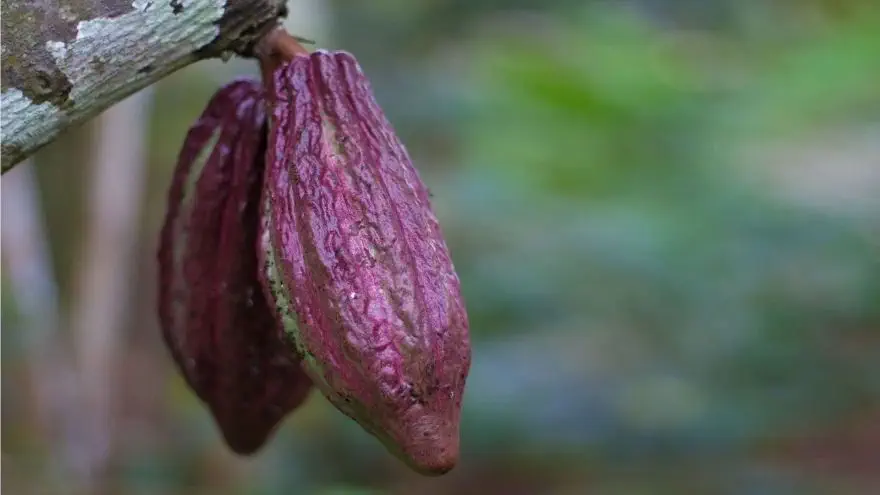
- Cocoa butter: Has a complex triglyceride composition (with a high content of stearic and palmitic acids) and pronounced polymorphism — the ability to crystallize into different structures. Because of this, cocoa butter is very sensitive to temperature changes: upon cooling, it easily forms rigid crystalline bonds, changing the smooth texture of the body butter into a denser or grainy one.
Synthetic waxes: why are we strictly against them?
In mass-market cosmetics, petrochemical products and synthetic stabilizers (such as paraffin, microcrystalline wax, or polyethylene-based synthetic waxes) are often used to combat crystallization. Due to their uniform chemical structure, they "cement" the texture tightly, eliminating any changes and the appearance of grains under any temperature fluctuations.
However, for by-cosmetics, the use of synthetics is strictly unacceptable.
Our philosophy is honest, living, and 100% natural cosmetics. Real plant oils and natural waxes "live" their own organic life, reacting to warmth and coolness. Minor natural texture changes or slight crystallization are direct proof of the absolute purity of the formula, where there is no place for artificial fixatives and petrochemical "enhancers".
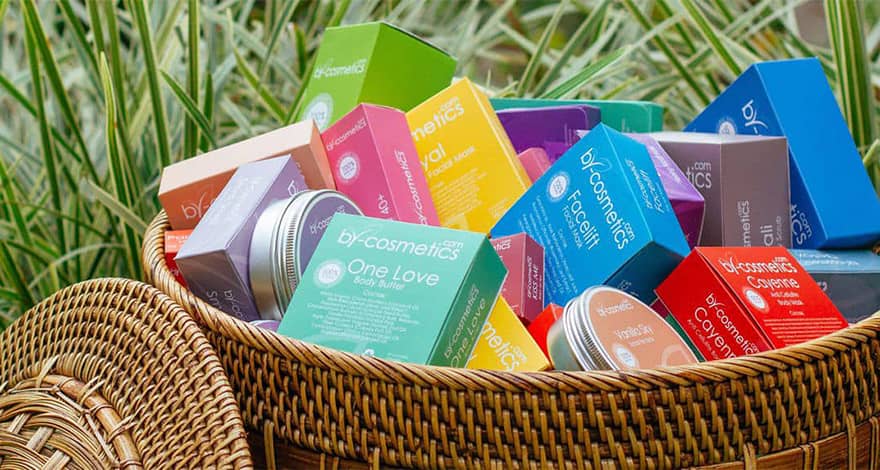
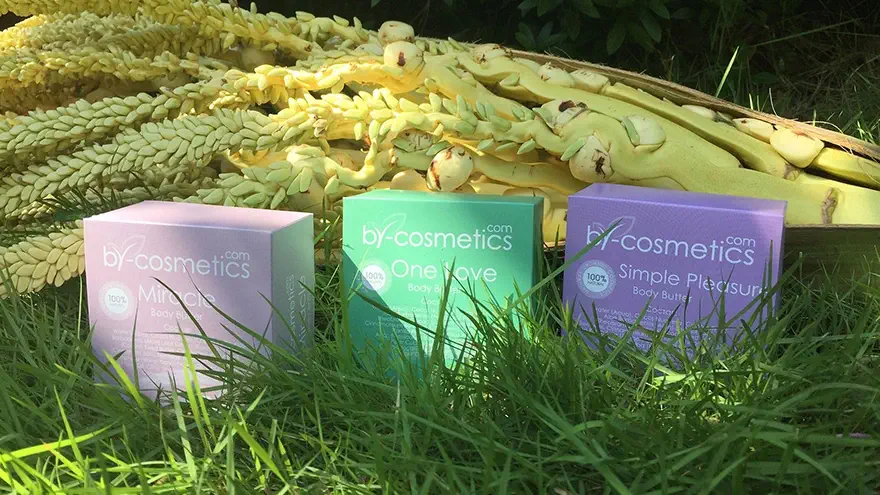
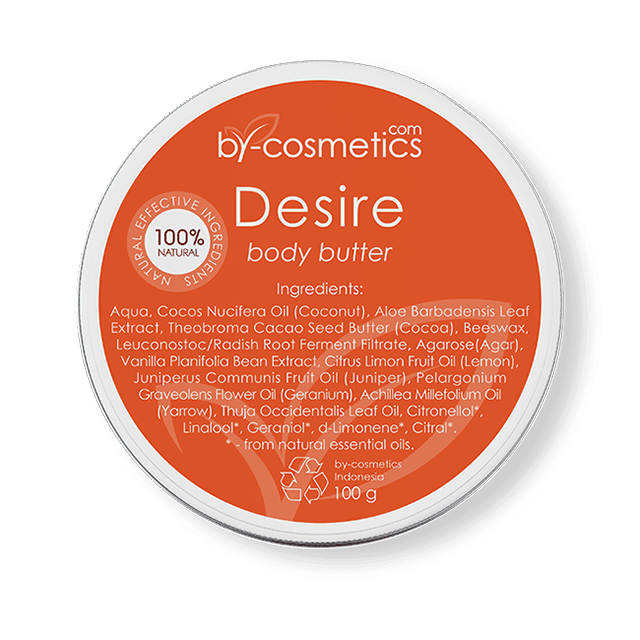
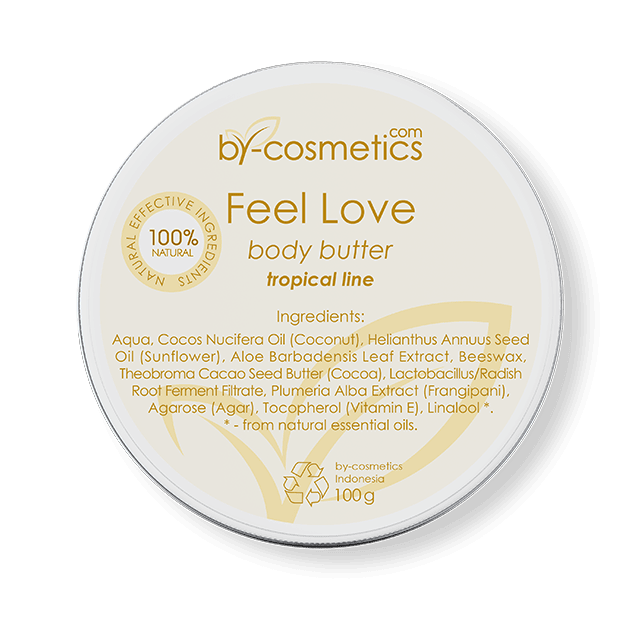
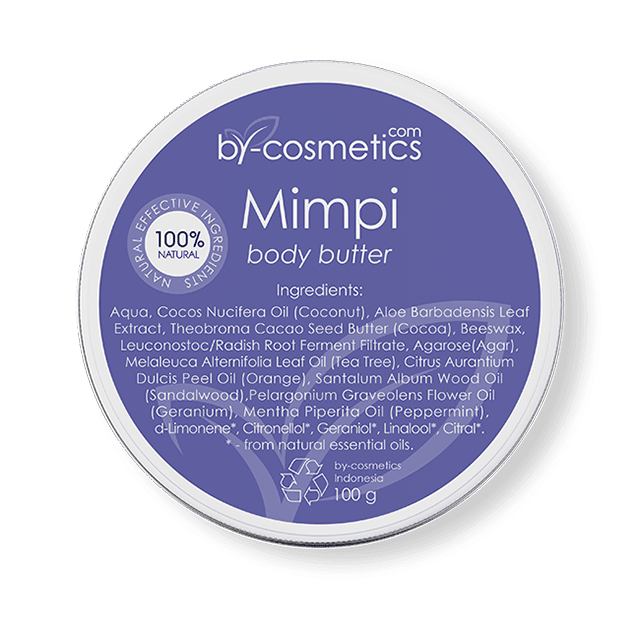
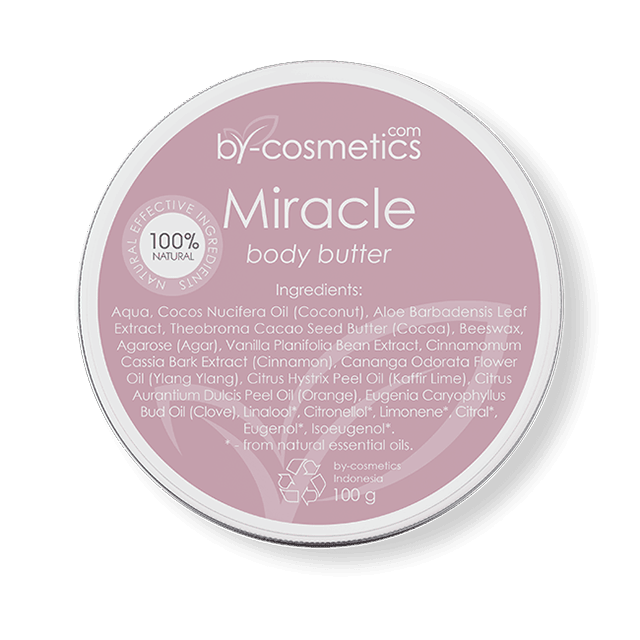
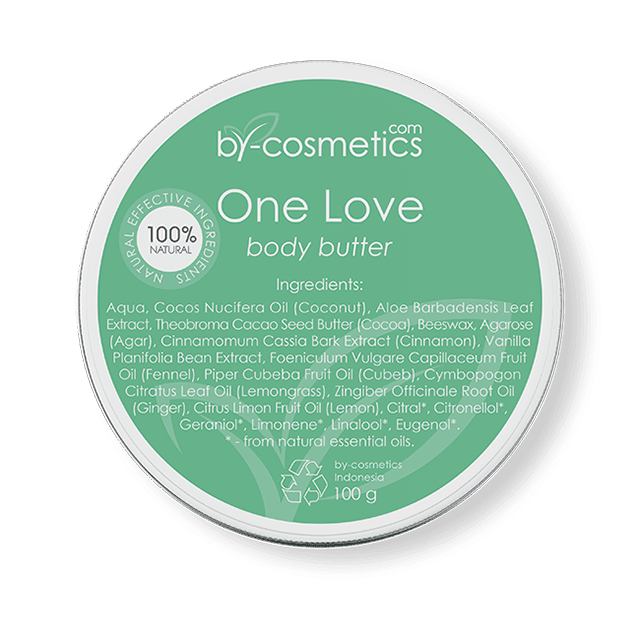
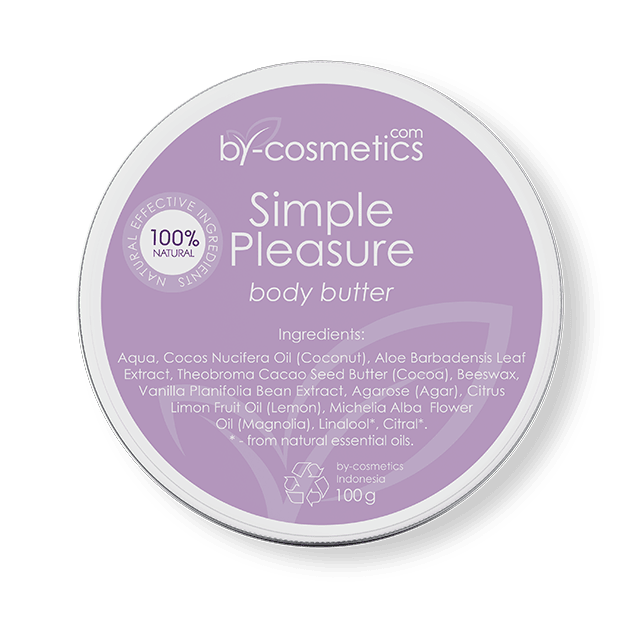
The by-cosmetics brand creates 100% natural body butters based on a "water-in-oil" emulsion without preservatives and synthetics: Desire, Feel Love, Mimpi, Miracle, One Love, Simple Pleasure. Rich formulas with beeswax, agar-agar, and plant extracts provide deep nourishment, protection, and hydration — pure natural cosmetics from Bali.
Attention
In the Russian version of the catalog, due to search query specifics, for SEO optimization, the familiar term "body cream" is used instead of "body butter".