




by-cosmetics | Natural & Organic Skincare from Bali
all articles
Bali is more than just an island in the Indian Ocean — it is the world’s capital of mindfulness, spa rituals, and harmony with nature. Anyone who has ever breathed in this tropical air dreams of taking a piece of that magic home or gifting it to someone they love.
In this article, we’ll show you how to choose a truly original and meaningful beauty gift — and why by-cosmetics raw skincare is breaking popularity records among expats and travelers.
Why is by-cosmetics raw skincare the perfect gift?
Bringing home a souvenir from the island is always a pleasure, but finding something genuinely unique, useful, and high-quality is not so easy. The by-cosmetics brand is a true exclusive: the only manufacturer in Bali and across Indonesia that creates 100% natural cosmetics in its own modern factory.
Every product in the range is exclusive, built on rich formulas with the highest-quality ingredients, finished with pure natural scents, and backed by proven effectiveness.
In practice, our customers love the entire skincare line without exception. But to help you choose a truly special, useful, and status-worthy souvenir, we’ve highlighted five top favorites that win people over from the very first use.
1. Raw face masks based on fresh aloe juice and seaweed
The term “raw” in our line means plant ingredients that are not heat-processed and keep their original benefits intact. Creating skincare from truly fresh components is a powerful unique selling point that immediately sets the brand apart.
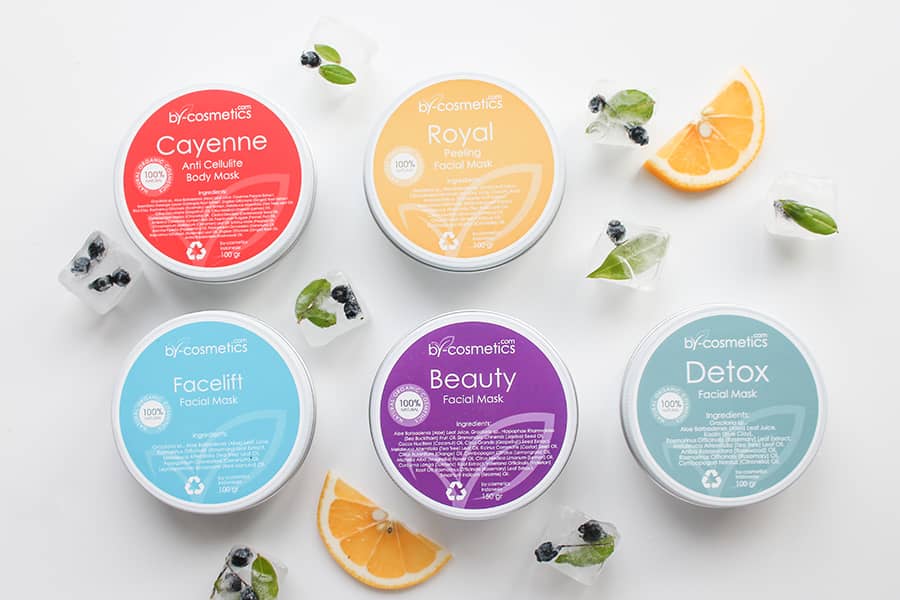
Our bestselling masks are built on the synergy of ocean and nature, delivering absolute purity of formula and an instant result:
-
A freshness boost for the skin:
A powerful cocktail of fresh aloe juice and precious seaweed works as first aid for tired, dull, or dehydrated skin. -
Who to gift it to:
A universal and luxurious beauty gift for your mom, a friend, or yourself — the perfect way to instantly refresh the face and restore skin after flights and time-zone changes.
2. Intensive face Serum with hyaluronic acid and silk peptides
A true elixir of youth and deep hydration. It creates a weightless protective veil on the skin that helps maintain optimal balance, refreshes beautifully, and evens out the complexion, leaving a luxurious trail of tropical Balinese frangipani blossom scent.
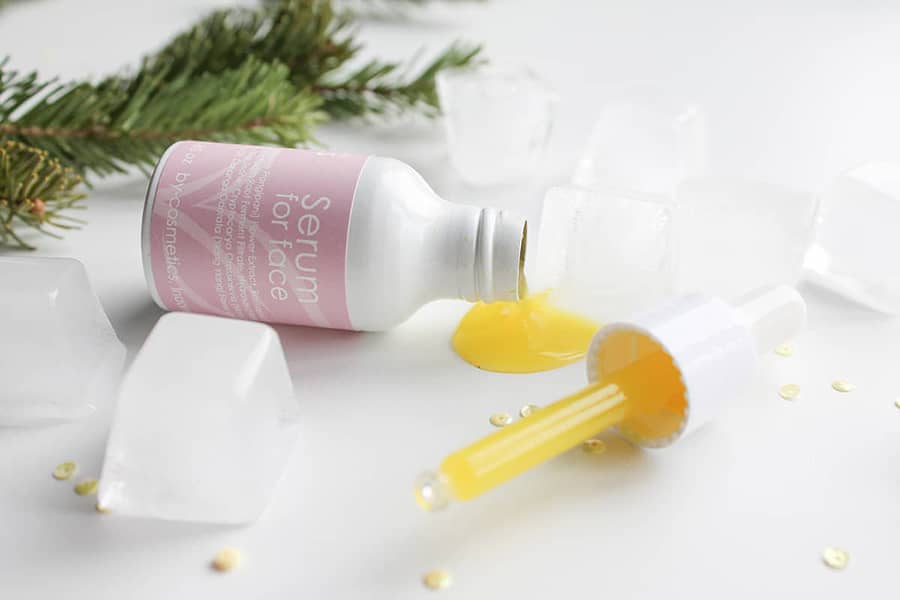
- Who to gift it to: The woman you love. An elegant gift that offers a professional-care ritual and can replace a whole set of treatments.
3. Kiss Me lip balm
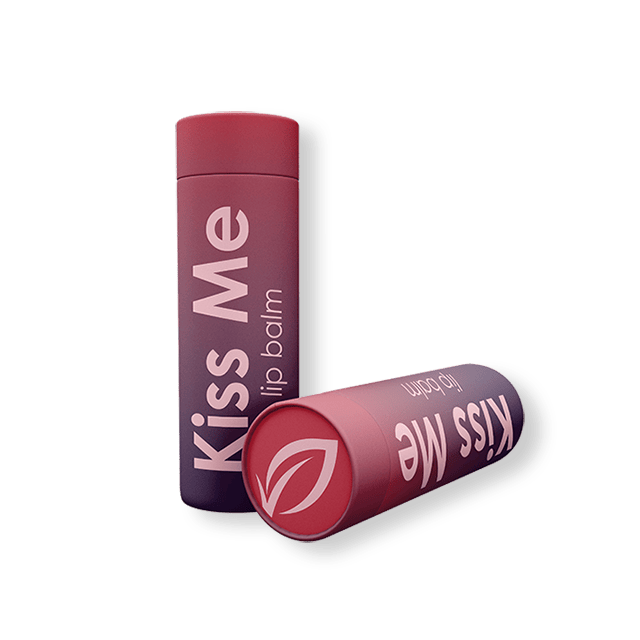 It is hard to find a lip-care product on the market without synthetic ingredients
in the formula. And yet we (and our children) lick our lips throughout the day
without noticing — and end up ingesting that microplastic. In
Kiss Me
you will find only plant-based, delicious ingredients. This is a gift you can —
and should — give to both adults and children.
It is hard to find a lip-care product on the market without synthetic ingredients
in the formula. And yet we (and our children) lick our lips throughout the day
without noticing — and end up ingesting that microplastic. In
Kiss Me
you will find only plant-based, delicious ingredients. This is a gift you can —
and should — give to both adults and children.
4. Highest-quality essential oils
Essential oils are one of the most authentic and valuable gifts you can bring back from Bali. And there is a clear geographic reason: it is in Indonesia, with its unique humid tropical climate, lush vegetation, and fertile soil, that most of the rare plants used to extract these essences grow.
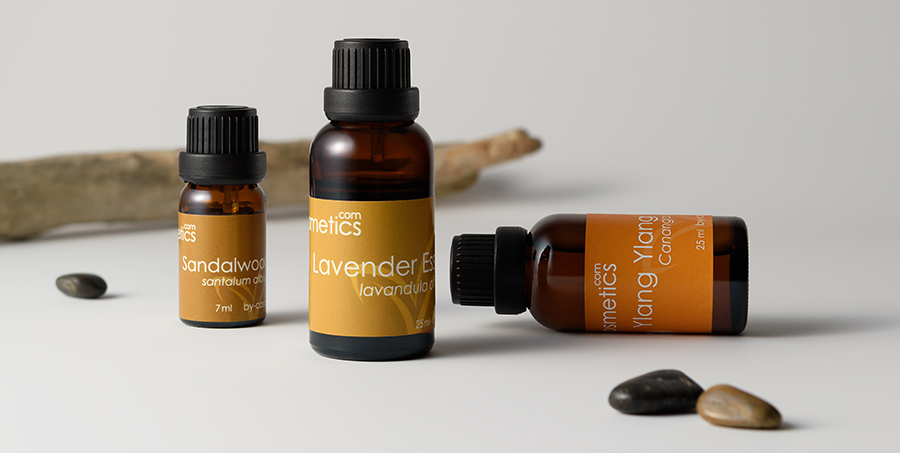
When you buy oils here, you get a product straight from the source — as fresh and pure as possible, without the degradation of long-distance shipping. by-cosmetics produces essential oils of the highest quality on its own modern factory in Bali, ensuring absolute purity and maximum therapeutic benefits.
5. Exclusive signature sets
If you are looking for a ready-made, status-worthy solution that captures the full benefits of the island’s tropical nature, take a look at the signature by-cosmetics sets:
-
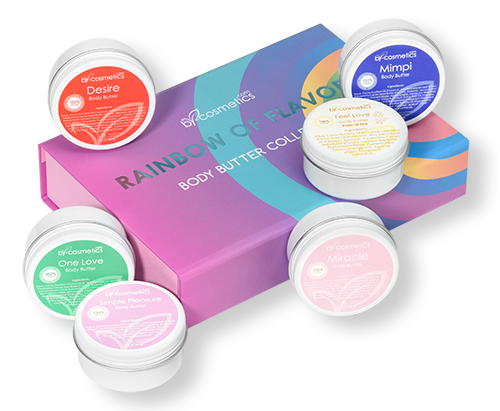 The
Rainbow of Flavors
set:
The
Rainbow of Flavors
set:
A collection of 6 mini versions of our outstanding body butters. This is the most practical and visually flawless gift, letting someone try all of the brand’s top scents and textures. -
 The
Just Be Healthy
set:
The
Just Be Healthy
set:
A duo of ultra-effective healing balms. A true natural first-aid kit in eco cardboard packaging that becomes indispensable for protecting and restoring skin — whether you are at home or traveling.
Practical tips: how to bring raw skincare home safely
Raw formulas (this applies only to the masks, Serum, and Fresh tonic) need proper transport.
In the aircraft cargo hold at 10,000 meters, the temperature stays around +2…+5°C. For raw skincare, these are ideal natural “fridge” conditions. The main thing is not to leave your suitcase under the blazing sun at the airport, and once you get home, move the masks to a cool place.
All other cosmetics are stored at room temperature, so transporting them is rarely a problem.
Where to buy original by-cosmetics products?
To make sure you get the freshest batch of raw skincare — made literally the day before — use the official channels:
-
Our
store
at the factory:
Come visit us to personally test scrub textures, experience the oil scents, and get advice. You may also enjoy watching the production process — or even trying to create a natural product to your own recipe with the help of our specialists. -
Delivery to your villa or hotel:
ideal if you don’t want to spend precious holiday time in traffic. Place an order on our website, and a courier will free of charge deliver your gifts straight to your hotel door anywhere on the island on the same day.
Give your loved ones more than just souvenirs — give them health, aesthetics, and the pure energy of nature. With a gift like this, you can’t go wrong. And our Planet will thank you too.

all articles
Jojoba oil has long earned a reputation as one of the most versatile and effective ingredients in the beauty industry. However, despite its name, it is technically not an oil at all. What makes it so special, and why has it become an indispensable ingredient in the production of 100% natural cosmetics?
What is jojoba oil and what is its secret?
Jojoba oil is extracted by cold pressing the seeds of the desert shrub Simmondsia chinensis. The scientific secret of this product lies in its unique chemical composition: it consists of approximately 98% pure liquid wax esters, rather than triglycerides like most other plant oils.

This waxy nature gives it a tremendous advantage: its molecular structure is strikingly similar to human sebum. Because of this, our skin recognizes it as "its own," it does not block pores, and the active nutrients penetrate as deeply as possible, acting incredibly effectively.
Main benefits of natural jojoba oil:
- Deep hydration
The oil works as an excellent emollient and humectant. It creates a very thin, breathable barrier on the skin that reliably seals moisture inside, preventing it from evaporating throughout the day. - Sebum balance and acne control
It sounds paradoxical, but jojoba oil is ideal for oily and problem skin. By mimicking natural sebum, it sends a signal to the sebaceous glands that the skin is already sufficiently moisturized, thereby reducing excess oil production. Furthermore, it is completely non-comedogenic (does not clog pores). - Soothing and healing effect
Thanks to its antibacterial, antifungal, and anti-inflammatory properties, jojoba perfectly soothes irritated skin, helps relieve itching from eczema, psoriasis, and sunburns, and accelerates the healing of minor scratches. - Anti-aging effect
The oil is rich in natural vitamin E (a powerful antioxidant) and B-complex vitamins. It helps combat oxidative stress, protects cells from free radicals, and promotes collagen synthesis, smoothing out fine lines and improving elasticity.
Benefits for hair and scalp
Jojoba oil is a true lifesaver for dry, brittle, and dull hair.
- Nourishment along the entire length
Unlike many heavy oils, it penetrates deeply into the hair shaft without leaving a greasy feeling. It effectively smooths the cuticles, prevents breakage, and restores the hair's natural shine. - Scalp health
The oil's ability to cleanse pores and dissolve excess sebum makes it an excellent preventative treatment for dandruff. It creates an ideal microflora on the scalp, which is the main condition for the growth of strong and healthy hair.
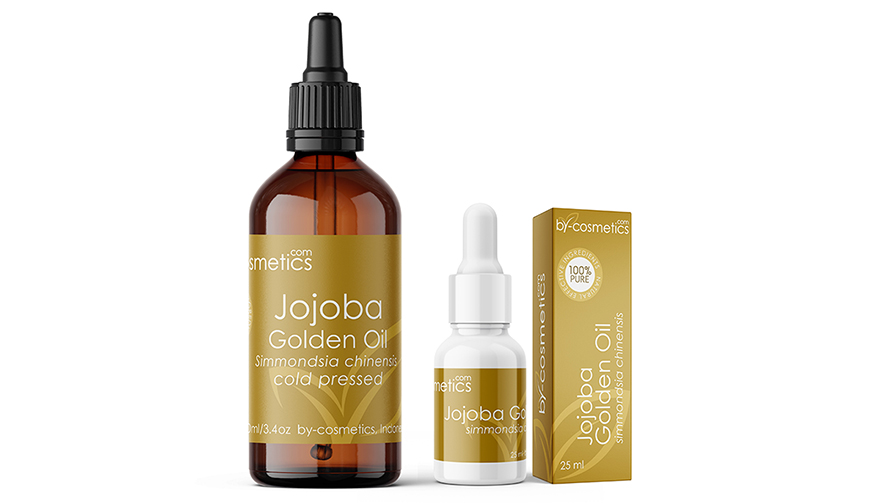
In the context of our 100% natural production philosophy, it is absolutely essential to use ingredients in their pristine state. That is why we exclusively prefer cold-pressed, unrefined Golden Jojoba oil. It retains its natural golden hue and a light nutty aroma. The absolute maximum of natural vitamins, minerals, and fatty acids necessary for the health of your skin and hair remains intact in it.
Main benefits of natural jojoba oil:
- Deep hydration: creates a very thin, breathable barrier on the skin that reliably seals moisture inside.
- Sebum balance: by mimicking natural sebum, it sends a signal to the sebaceous glands that the skin is sufficiently moisturized, reducing excess oil production.
- Completely non-comedogenic: allows the skin to breathe and does not clog pores.
- Anti-aging effect: rich in natural vitamin E and powerful antioxidants that protect cells from free radicals.
Jojoba oil is not just a moisturizer; it is a biocompatible elixir. It "understands" the skin's needs, delivering nutrients right on target without disrupting the natural lipid barrier.
How to use at home:
Jojoba oil can literally be used from head to toe: apply a few drops to your face instead of a moisturizer, use it as a completely safe makeup remover, rub it into your nail cuticles, or add it to your favorite shampoo and conditioner to enhance their effect.
The by-cosmetics brand actively uses the exceptional properties of this ingredient to create balanced skincare formulas. It is used in the Beauty mask, in the hydrates #FORHIM After Shave Hydrate, Paradise Hydrate for all Skin Types, Hydrate for Dry-Normal Skin, Hydrate for Oily-Combination Skin, in the Facial Foam Cleanser, in the Matahari sunblock, and in the facial oils Oil 20+, Oil 30+, Oil 60+, in the Green Ceremony makeup remover, in the Happy Ducks Kids Massage Oil, as well as in its pure form — Jojoba Golden Oil.
all articles
Almost all cosmetics are made from synthetic ingredients. Why do you think people believe that a polymer cocktail will hydrate, rejuvenate, and improve their skin's health, or smooth out wrinkles? After all, we are living organisms and don't eat plastic.
People believe in the “miracle from a test tube” for very simple and understandable reasons. Here are the top 7 real mechanisms why 95 % of women continue buying synthetic cosmetics, even knowing it’s “chemistry”:

- Instant visible effect
Silicones, polymers, film-formers give a “wow” in 5 minutes: skin feels silky, wrinkles seem to disappear, hair shines. It’s not treatment — it’s an optical illusion. But the brain registers: “it works!” — and logic shuts down. - Marketing hits pain and dreams
Ads show a 25-year-old model with “10 years younger in 28 days”. No one reads the ingredients. The main thing is emotion. When skin gets worse after 3 months — they buy an “even stronger” cream from the same brand. - Authority of science and white coats
“Dermatologically tested”, “clinically proven”, “hypoallergenic”, “laboratory tested”. People think: if scientists made it — it must be better than nature. In reality 90 % of these “studies” are marketing tests on 30 people with before/after photos + retouching. - Laziness to read the ingredient list
The average buyer spends 40 seconds choosing a cream in a store and 7 seconds online. The list is 150 lines in tiny Latin font. No one will figure out where the silicone is and where the shea butter is. - Social conformity
All friends, bloggers, moms, sisters use it — so it’s “normal”. Saying “I only use natural” is still considered weird or “too eco-freaky” in most circles. - Price creates the illusion of quality
A cream for $100 with dimethicone is perceived as “luxury”, while coconut oil for $7 is “cheap supermarket stuff”. In reality it’s the opposite. - No instant “rebound”
When a person stops using silicone cosmetics, skin and hair become even worse for 2–6 weeks (withdrawal syndrome: no film anymore → everything that accumulated for years comes out).
Most panic and return to the old cream: “See, natural doesn’t work!” In fact it’s just detox, but no one talks about it.
What’s really happening (short and brutal)
Skin is a living organ. It feeds on amino acids, fatty acids, vitamins, antioxidants. Plastic (silicones, acrylates, PEGs, parabens, etc.) it does not absorb — it just lies as a film and prevents breathing.
It’s like feeding a person a plastic bag and saying they became more beautiful. People don’t eat plastic. But every day they “feed” it to their skin.
And wonder why at 35 it looks 45.
What actually works
What worked for 5000 years before petrochemicals were invented:
- cold-pressed oils (jojoba, shea, argan, moringa,...),
- hydrosols,
- essential oils in therapeutic doses,
- plant extracts,
- vitamins in natural form.
No films! Only nourishment, restoration, and real rejuvenation — slowly, but forever. Our clients at by-cosmetics have already understood this. All that remains is to convey it to the rest — and the world will become a little healthier and more beautiful.
all articles
For more than half a century, silicones have become a firmly established part of cosmetic formulas, giving smoothness and texture to countless products at a low cost. But everything has a price. Silicones in cosmetics are a silent killer of your health and the planet. Up to 99% of conventional cosmetics - creams, serums, shower gels, shampoos, masks, cleansers, and even “natural” lines - contain silicones. This is no longer just a “safe additive”; it is a proven slow-acting poison you apply to your skin and hair every single day.

All synthetic cosmetics - without exception - are built on silicones
To make you instantly love the effect of a cosmetic product, silicones are always added. Check any cream, shampoo, mask, serum, or cleansing oil from mass-market or luxury brands - you will find at least one of the following INCI names:
- Dimethicone - the main silicone oil that forms a film on the skin.
- Cyclotetrasiloxane (D4)
- Cyclopentasiloxane (D5) - found in 70% of waterproof products.
- Cyclomethicone - volatile silicone for fast textures.
- Amodimethicone - hair conditioner, accumulates on the cuticle.
- Dimethiconol - silicone alcohol disguised as a “moisturizer”.
- Trimethylsiloxysilicate - silicate polymer, common in foundations, doesn’t end in “-cone”.
- Polypropylsilsesquioxane - branched silicone used in powders and serums.
- Phenyl Trimethicone - phenyl silicone for shine, disguised as “trimethicone”.
- Silicone Quaternium-8, -16, -17, -18, -20, -22 - the most common “clever” silicones.
The brutal truth: what silicones really do to your skin and hair
Silicones are not “hydration”; they are suffocation in slow motion. They block everything: breathing, detox, nourishment. After 1–2 years you will see the result.
- Completely block toxin elimination.
Skin is the second detox organ after the liver. Dimethicone and Cyclopentasiloxane create an airtight film - toxins, heavy metals, and makeup residue stay trapped inside. Result: inflammation, cysts, rosacea, premature aging.
73% of women using silicone cosmetics have impaired skin barrier (Journal of Cosmetic Dermatology 2024). - Hair loss can begin within 1–2 years.
Amodimethicone and Trimethylsiloxysilicate clog scalp follicles. Blood circulation worsens → hair thins, splits, and falls out. PMC 2025: up to 37% hair density loss in 18 months among silicone shampoo users. Silicones never wash out completely - 40% remain even after 10 washes (ResearchGate 2024). - Kill the skin microbiome.
Beneficial bacteria die under the film → dermatitis, eczema, allergies. Acta Informatica Medica 2013/2024: +40% risk of comedones. - D4 and D5 - hormone disruptors.
Cyclotetrasiloxane and Cyclopentasiloxane accumulate in the body, disrupt thyroid and reproductive function. Banned in the EU, California, New Zealand, Australia, Canada, and others.

Ecology: 5,740 tons of silicones into the ocean every day
Every cream or shampoo is a contribution to a global catastrophe.
- Silicone production for cosmetics - 8,200 tons/day (Silicone Industry Association 2024).
- 70% (5,740 tons/day) washes straight into the sewer (UNEP 2025).
- Oceans - 14× above safe levels (Greenpeace 2024).
- D4/D5 do not degrade for 242–1200 days (Cosmetics Europe 2024).
Where does the remaining 30% of silicones go?
Out of 8,200 tons produced daily, ~70% (5,740 tons) goes into wastewater. The remaining 30% (~2,460 tons/day) ends up as:
- Evaporation into the atmosphere (up to 90% for volatile D5) → oxidizes and returns with rain.
- Landfills and solid waste (10–20%) → never degrades.
- Industrial waste (5–10%) → enters soil and air.
- Bioaccumulation in the body (<1%) → accumulates in tissues over time (Uppsala University 2024).

Silicones = 25% of microplastics in wastewater (C&EN 2025). Fish mutate, birds die - and it’s from your cream and shampoo. They are “eternal” pollutants: air, soil, landfills. They come back to us through rain, food, and water.
0% silicones in all our products
by-cosmetics is a brand that, since its founding in 2013, has created cosmetics based exclusively on natural ingredients. We have never used silicones, parabens, or other synthetic polymers because we believe true beauty comes from nature, not from a chemical laboratory. Our formulas are 100% pure plants, fruits, and minerals that nourish the skin and hair, restoring their natural balance. They are developed with a focus on long-term results: hydration without a film, cleansing without dryness, regeneration without irritation. by-cosmetics is a philosophy: cosmetics as food for the skin. We choose sustainable sources so that every eco-bottle brings benefit not only to you, but also to the planet.
all articles
Scrubs come up with a long time ago. Historians have recorded that several thousand years ago, the inhabitants of ancient Egypt and Rome used the compounds that we now call the word "scrub". Asian beauties, chasing smooth and glowing skin like china statuettes, also produced similar mixtures. In Ancient Rus, people used brooms, bast, and oat bran as part of steam bathing. So this invention is not new. But whether ancient beauty recipes work in the twenty-first century or not?
Scrubs come up with a long time ago. Historians have recorded that several thousand years ago, the inhabitants of ancient Egypt and Rome used the compounds that we now call the word "scrub". Asian beauties, chasing smooth and glowing skin like china statuettes, also produced similar mixtures. In Ancient Rus, people used brooms, bast, and oat bran as part of steam bathing. So this invention is not new. But whether ancient beauty recipes work in the twenty-first century or not?
We believe that today's usage of scrub is even more relevant. After all, initially, nature created the human body as a self-regulation system with a large margin of safety. But over the past century, the load on our body and mind increased several dozen times. As a result of one hundred years of an industrial and technological revolution - an unfavorable environment, air pollution, life in the mode of constant bustle and stress, unbalanced diet.

And our skin, this unique organ of the human body, no longer has time for recovering and regenerating. It is especially significant for residents of megalopolises. Toward the evening, the face and exposed areas of the body as if covered with a heavy, oily film, and regular washing does not always help. So what is the scrub?
Let's discover the secret of its efficiency together. Any scrub consists of the softening basics - water, cream, or gel - with abrasive particles of synthetic or natural origin. It runs like a brush on the surface of the skin and gently cleans all unnecessary. In the course of the mechanical effects of particulate matter in the upper layers of the epidermis occurs exfoliation and removal of dead skin cells, fouling and sebum, and our face and body are finally starting to "breathe." The germinal layer gets stimulated, and the cell fission – therefore regenerating – begins.
However, despite its apparent simplicity, should approach the choice of scrub and the procedure itself with great responsibility. What types of scrubs are represented? What are the factors to consider when choosing beauty aids? How not hurt the skin? How not get lost in the infinite variety on the market of cosmetic products? We will help you in this matter. So, let's proceed to the fascinating process of selecting a scrub for you.
Types of scrubs can be divided into the following categories:
- in the application area: face or body
- by type of foundations: water, cream, or gel
- according to your skin type: for normal, dry, combination or oily skin
- source of abrasive particles: artificial or natural
Field of use
What’s the difference between facial and body scrubs? First and foremost, the diameter of the abrasive particles. As far as facial skin is very delicate, used pellets must be thinner and softer. In turn, the particles in a body scrub can be more extensive and not carefully handled (especially for foot scrubs).
Different bases: water, cream, and gel scrubs
Creamy scrub is a water-in-oil emulsion with the addition of scrubbing particles. Gel scrub - water and gelling agents (gelatine, pectin, agar-agar) suspended solid supplemented with the same particle. Such scrubs have no use in adding water. It’s already one of the main - up to 80 percent – ingredients. Water-based scrub is a dry mixture of abrasive particles, mostly of vegetable origin, which should be diluted with water immediately before use. Thus, the main feature - the presence or absence of water in the composition of the scrub.
We offer our customers dry powdery textured scrubs. The advantage of this formula is that, first, you do not overpay for the water in the literal and figurative sense of the word. To 50 grams of dry mix, you can add the same amount of water and finally get 100 grams of natural ready-to-use scrub.
Secondly, water in any product is a breeding ground for the growth and development of bacteria. And to avoid this, manufacturers are forced to add synthetic ingredients and preservatives. A vicious circle, isn't it. But eventually, we've found a solution: no liquid components – no bacteria – no preservatives. In addition, the basic meaning of peeling - exfoliate and remove the dead cells layer. Then epidermis can fully absorb the moisturizer you apply after the procedure. The cream, which is part of the scrubs, does not have time to absorb the skin during the process. In a few minutes, will wash down the drain all these "goodies".
Peeling by skin types
Different skin types (dry, normal, combination, or oily skin) need various scrubs components. For oily or combination, the skin drying effect is required. These compounds should contain, for example, cosmetic clay, sandalwood powder, or milled grain oats. For dry and sensitive skin, on the contrary, there should be active moisturizing and delicate effects. The active ingredient for such scrubs is oat and rice flour, ground vanilla seeds, coconut pulp, and many other natural moisturizers.
Please read attentively information about the product's composition on the label, as this essential specification is not always indicated on the package.
The origin of the abrasive particles
Scrub particles may be natural or artificial. Why using synthetic abrasives is so popular? Let's face up to reality. "Artificial polymer" is the only parade of words, a very ordinary plastic is hidden behind it. The plastics industry is very cheap nowadays. Therefore, replacing natural ingredients with plastic is an excellent way to get additional income for manufacturers. In addition, the price for such a "plastic beauty" – environmental damage. Small plastic balls get into the sewers, and then - in the rivers and oceans. Very light, they do not sink, but in its route through the pipes and collectors, it clogs the drain filters and absorbs toxic compounds. Because of the small size, this debris is difficult to weed out, so much of it gets into natural water reservoirs. Bright poisonous particles floating in the water column are swallowed by river and sea inhabitants. It is dangerous for their lives and ours because some of the "seafood" ends up on our table. Are you sure you want to eat plastic?
What can we say about the benefits of natural particles in scrubs? Of course, they are entirely safe for health and the environment. Besides that, natural herbal ingredients, when in use, give all their strength and nutrients to your skin. And what can plastic give?
It's believed that natural particles, because of their heterogeneous structure, can damage sensitive skin. However, it is not. Nutshell, fruit pits, and other raw materials are ground to a fine powder state on the special machinery, and no "sharp edges" does not remain. Asymmetric and "wrong" shapes can be seen only under a microscope at high magnification.
Terms of use and contraindications
Before you start to use new scrub, check whether you have an allergic response: apply the product to the backside of the wrist according to the manufacturer's instructions, wash, and if within an hour there was no itching or redness, it suits you.
The frequency of using a scrub depends on the skin type you have. If you have oily and combination skin, washing with scrub 1-2 times a week is recommended. If doing so often, the skin starts to dry, and as a defense response, sebaceous glands will work even more potent. For dry skin, you can use the scrub no more than once a week.
Always use scrub only after you clean and moisturize the skin. During the procedure, you need to massage the face or body slightly, without excessive efforts, avoiding delicate and sensitive areas - around the lips and eyes, nipples, the size of the armpits, and the bikini area.
Attention
NEVER APPLY the scrub on the skin with any inflammation, damage, or rashes: sores or cuts, burns, including sunburns, acne, pimples, any dermatological diseases. It is also not recommended to scrub the face or body after shaving or hair removal.
The by-cosmetics brand offers 100% natural organic scrubs for face and body: Bali Body Scrub, Vanilla Sky Face Scrub, Breeze Body Scrub. Rich formulas with natural abrasives without synthetics — deep cleansing and skin renewal in organic cosmetics from Bali.